Table Of Content

Keratin plugs don’t usually require medical treatment. However, it’s understandable to want to get rid of them for aesthetic reasons, especially if they’re located in a visible area of your body. Waxing, plucking and threading hair can also lead to ingrown hairs.
What causes scalp folliculitis?
In conclusion, preventing clogged hair follicles is essential for maintaining a healthy scalp and promoting optimal hair growth. Remember, consistency is key, so make these practices a regular part of your hair care routine to ensure long-term results. The above information will enable you to get rid of clogged and blocked hair follicles, as well as prevent them from reoccurring. This will ensure your scalp is the optimal environment for full, healthy hair growth.
Charitable Care & Financial Assistance
Treatment for folliculitis decalvans varies by individual in its effectiveness. The goal of treatment is to encourage disease remission (no symptoms). Most therapies can be administered at home, though some may require outpatient visits to a healthcare provider. When your skin is damp and hot, it’s easier to damage your hair follicles and get an infection. This can happen when tight clothing rubs against your skin while you’re bicycling on a hot day.

What are the symptoms of keratin plugs?
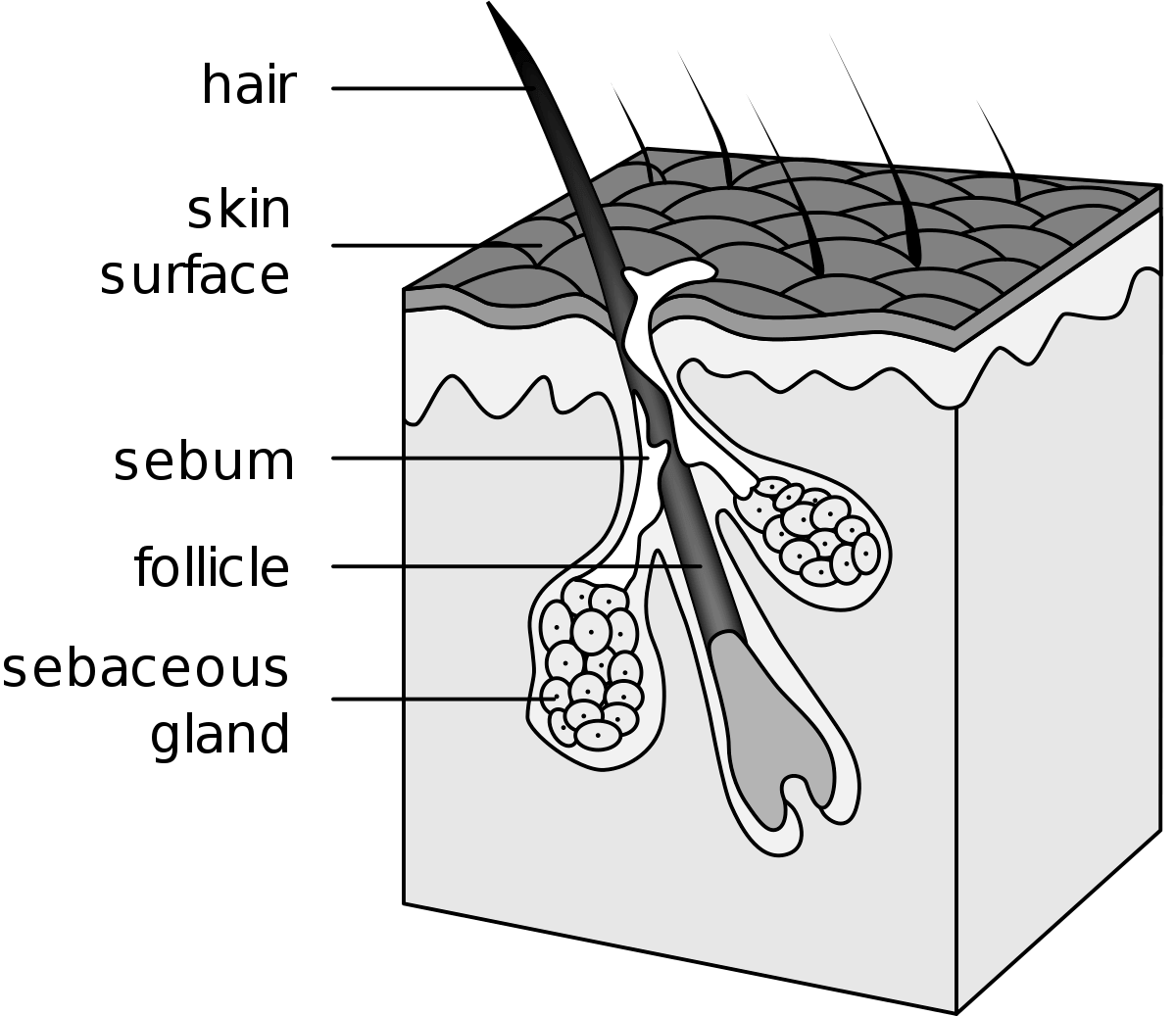
At any given time, most of those hair follicles are hard at work growing new hairs to replace your old hairs that will eventually fall out. The cells in your hair follicles help your body heal after a wound. Your hair follicle cells assist your body’s white blood cells in your immune system. The hair follicle itself is composed of multiple parts. At the bottom sits the hair bulb, which includes the dermal papilla and hair matrix. These structures are critical to the hair growth cycle.
Pimple Popper Tool: How to Use Blackhead Tweezers BEAUTY/crew - BEAUTYcrew
Pimple Popper Tool: How to Use Blackhead Tweezers BEAUTY/crew.
Posted: Thu, 25 Apr 2024 10:33:18 GMT [source]
Enduring long-term treatment only to have the problem recur can be difficult. This can also have an impact on your self-image and affect your quality of life. Folliculitis is usually diagnosed during a physical exam with your healthcare provider. This can be done during an appointment and in most cases, you do not need to see a skincare specialist. Your primary care physician is usually able to diagnose folliculitis and provide a treatment plan. In certain, severe or persistent cases, an appointment with a dermatologist is recommended.
Should you pop or squeeze an ingrown hair cyst?
Anyone can develop the condition, though some may be more prone to it than others. Remember, consistency is key when treating clogged hair follicles. It may take some time to see results, so be patient and continue with your treatment routine.
Keratin plugs are annoying and you might think they’re unsightly. They can make you feel self-conscious, especially if they’re on a part of your body that clothing doesn’t cover. To get rid of them more quickly, make sure your skin doesn’t get too dry. Trying to remove it or pop it can irritate your skin and lead to infection. If you have a condition (such as eczema) that puts you at a higher risk of keratin plugs or keratosis pilaris, talk to your provider. They can monitor your skin and treat problems if they arise.
If keratin bumps don’t respond to gentle exfoliation, your dermatologist may recommend stronger prescription creams to help dissolve the underlying plugs. First, it’s important to never pick at, scratch, or attempt to pop keratin plugs. Keratin plugs can resolve on their own without treatment, but they can also be persistent and recur. They aren’t contagious, and they aren’t considered to be major medical concerns. Keratin itself is a type of protein found in your hair and skin. Its primary function is to work with other components to bind cells together.
Each hair follicle is also attached to a sebaceous gland, which produces an oily substance called sebum. Sebum moisturizes and conditions your hair and nearby skin. When hair follicles are damaged, they may be invaded by viruses, bacteria and fungi. Superficial folliculitis affects the upper part of the hair follicle and the skin around the follicle.
Keratin plugs are white or skin-colored bumps that develop on the skin. These clogged pores are more common in children and teenagers. They feel rough and often appear in groups on the upper arms and bottom.
Keeping your skin clean is an important part of its health. It’s also good to know what triggers your folliculitis so you can avoid those things in the future. Some hairs are so fine that you may not notice they are there, while others are very prominent.
At first it may look like small pimples around the tiny pockets from where each hair grows (hair follicles). Clogged hair follicles, a condition often called folliculitis, can be unsightly, itchy, and painful. If you’re experiencing this condition, allow your skin ample time to heal. Use warm compresses and washes to help the condition clear up. Then take steps to prevent the problem from coming back.

Touching affected skin in keratosis pilaris is often said to feel like sandpaper. You may be able to remove keratin bumps by exfoliating and moisturizing. If you have a lot of these bumps, they keep coming back or they’re on your face, your dermatologist can help.
A board-certified dermatologist can tell you whether you have folliculitis and help you feel more comfortable. Your doctor can prescribe infection-fighting lotions or gels if your folliculitis is caused by bacteria. If you have a serious infection, or if it keeps coming back, they can give you antibiotic pills to fight infection.
They may also recommend more permanent hair removal methods, such as laser hair removal, to help reduce your risk of ingrown hairs and bumps. Folliculitis decalvans causes bald patches and red, crusty pustules to form on the scalp. Experts aren’t sure why some people develop this condition, although Staph A bacteria may play a role. Antibiotics, steroids and other treatments can help ease inflammation and prevent more hair loss.